MB, ChB, FRANZCOG, CREI, MM
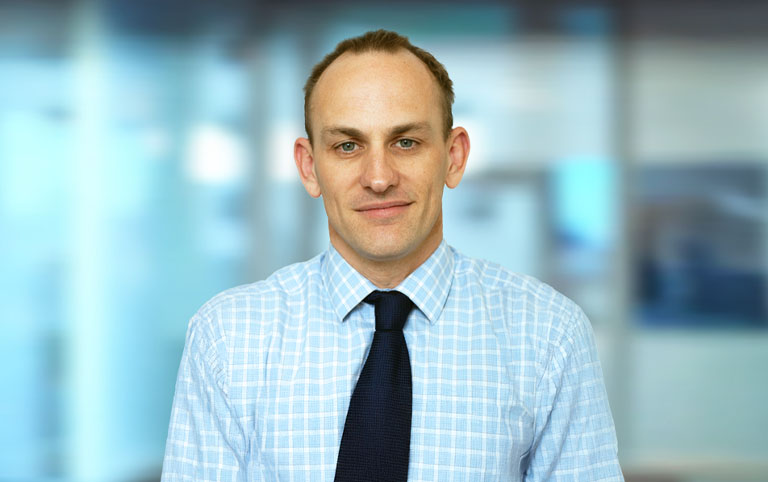

Dr Mark Livingstone is the Clinical Group Medical Director, Genea and a consulting fertility specialist at Genea’s flagship clinic in Kent Street, Sydney CBD. He consults with regional patients via telehealth to bring specialist fertility care to regional areas.
I am a CREI-accredited fertility specialist and the Clinical Group Medical Director at Genea, consulting at Genea’s flagship clinic in Sydney CBD. My goal is to provide every patient with honest, personalised care – combining the best available evidence with a genuine understanding of what each person is going through.
Key points at a glance
My medical training began in Scotland, and I moved to Australia in 1991. I began treating patients with infertility in 1996 – first at Westmead Hospital, then at Royal Prince Alfred Hospital, before establishing my private practice in Sydney in 2000.
I was awarded the college medal for achieving the highest mark in the FRANZCOG membership examination. I then completed the three-year subspecialist Certification in Reproductive Endocrinology and Infertility (CREI) in 2001 – the most rigorous qualification available to fertility specialists in Australia – followed by a Master of Human Reproduction and Human Genetics at the University of Sydney in 2002.
Alongside my clinical practice, I serve as Clinical Group Medical Director at Genea, where I provide national clinical leadership across the network.
Fertility treatment is one of the most significant things a person can go through, and I take that seriously. I want every patient to feel that their concerns have been properly heard, their options explained in plain language, and their treatment plan built around their individual circumstances.
Together with my secretary, Cath, I am committed to providing continuity of care that you can rely on throughout your treatment. I will be there for the procedures, the results, and the conversations along the way, including speaking with you personally on the day of your pregnancy test, on most occasions.
I perform my egg collections on the day I believe gives each patient the best possible chance of success. That includes weekends. Many clinics restrict collection to certain days of the week, which means the timing is not always ideal for the patient. I don’t believe that is the right approach to fertility care.
My practice is diverse. I see patients with unexplained infertility, male factor infertility, polycystic ovarian syndrome, fallopian tube conditions, and ovulation disorders. I specialise in genetic conditions requiring preimplantation genetic diagnosis, and in complex IVF cases where couples are seeking a second opinion after previous unsuccessful treatment. I am also committed to continuing to care for patients in regional areas through telehealth consultations.
We’ll cover the basics of what we’re investigating, your options, and my recommendation. I’ll also tell you what things might look like a few months down the track if the first steps don’t get us where we want to be. You’ll leave with a clear plan. If you’re coming to me for a second opinion, I’ll have already gone through the results and records you’ve shared, so we can make the most of the time we have together.
I am readily accessible by telephone, and on most occasions, I will speak with my patients personally on the day of their pregnancy test. Cath, my secretary, is also there to help with queries and coordination throughout treatment. I think continuity and accessibility matter more than most things in fertility care – this is not a process people should feel they are navigating alone.
Honestly, and in plain language. I give patients their chances based on their age and frame them in a way that’s easy to understand. I also talk about miscarriage rates and chromosome abnormalities, because the goal isn’t just a positive pregnancy test. It’s a baby. Some patients may find that a little confronting, but I think you’re better off making decisions with the full picture in front of you.
I see a lot of patients in this situation. The first thing I do is go through everything – every cycle, every result, every test – and look carefully for what might have been missed or what might not have worked and why. Sometimes there’s something clinical that wasn’t picked up. Sometimes the approach needs adjusting.